|
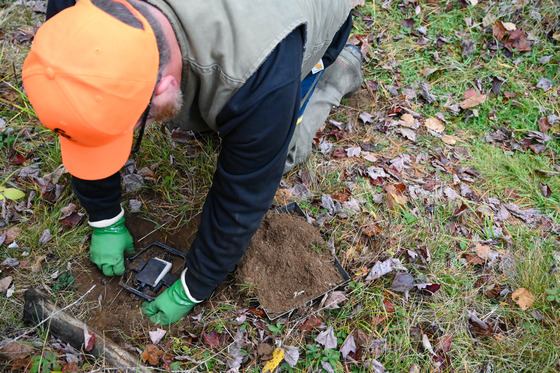
Just like hunting, regulated trapping is an important wildlife management tool. It helps maintain healthy, abundant wildlife populations, allows habitats to thrive, and keeps a balance between wildlife populations and people. The fall trapping season is October 18-December 31.
If you see an animal near a road or in a field, it may be in a trap. Remember, it is illegal to:
- Disturb traps
- Disturb any wild animal caught in a trap
- Shoot an animal that is caught in someone else’s trap
Any individual convicted of disturbing traps will lose any MDIFW license in effect and be ineligible to purchase any license issued by MDIFW for 3 years.
If you are interested in learning to trap, ask to join a local trapper for a day or enroll in a free trapper education course.


Canada lynx may be in the area
Canada lynx are a federally listed Threatened Species. Although there is no open trapping or hunting season of lynx in Maine, a lynx may be accidentally caught in a trap. Not only is it illegal to shoot an animal in someone’s trap, but it is also a violation of state & federal law to shoot a lynx.
Canada lynx are protected statewide but are typically found in northern and western Maine (shaded in gray in the map to the right). If you observe a lynx in a trap, please report it as soon as possible by calling the Lynx Hotline at 207-592-4734.
Canada lynx or bobcat? Learn the difference.
|

In the unlikely event that your dog gets caught in a trap, stay calm and follow these steps
A dog’s reaction to being caught in a foothold trap can vary from calm to frightened. Foothold traps are designed to hold an animal by the foot, and not injure the animal. Our biologists use foothold traps to catch and release wildlife species unharmed. The most common type of foothold trap used in Maine is shown here. If your dog gets caught in one of them, follow these steps:
Stay calm and get help: If available, get a second person to assist you.
Protect yourself: Some dogs may be calm, others may be frightened and attempt to bite, especially as the trap is removed from their foot. Protect yourself by securing the dog’s muzzle using a jacket or vest, or by placing a barrier between you and the dog.
Open the trap: If possible, pull the trap chain tight from the anchor point and put the trap flat on the ground. To open the trap, push down using your hands or feet on the levers located at either end of the jaws (see arrows in the image).This will release tension on the jaws and allow you to remove the dog’s foot.
Respect the trapper, and obey the law: It is unlawful to take or destroy a trap without permission from the owner.
Prevent Future Incidents: Trappers commonly use lures and urine to attract furbearers such as foxes and coyotes. You can train your dog to avoid trap locations by utilizing these scents in mock trap sets, keep dogs leashed on roads, and become more familiar with what trap sites look like in order to avoid them (e.g., road intersections).
|

Report Violations
"If you see something, say something"
It is crucial that you report any suspected violation of law to ensure a safe, fair, and ethical hunting and trapping season. Time and locations, GPS coordinates, and plate numbers from vehicles involved in suspicious events are helpful to Maine Game Wardens.
You may report violations to Warden Service headquarters or anonymously to Operation Game Thief at 1-800-253-7887 or online at maineogt.org.
|
|